The quick version
- A 3-hour guided ice cave tour from Jökulsárlón, transferring by jeep or SUV into Vatnajökull National Park and back.[1]
- From US$164 per person for the guided ice cave tour, with free cancellation up to 24 hours in advance for a full refund.[1]
- Natural ice caves under Vatnajökull form in October and last through April, before meltwater takes them back in May.[2]
- About 370 km (230 miles) from Reykjavík along Route 1, roughly 5 hours each way in good conditions.[3]
- The Jökulsárlón: Vatnajökull Glacier Guided Hiking Tour runs 4.5 hours and starts from US$134.[4]
- Top choice Vatnajökull Ice Cave Tour from US$164 Duration3 hours[1]Rating4.25 from 2,171 reviews[1]GuideLive tour guide: English[1]CancellationFree cancellation up to 24 hours[1]PaymentReserve now & pay later[1] Check availability
- Crystal Ice Cave Super Jeep from US$173 Duration2.5 hours[5]Rating4.21 from 1,751 reviews[5]GuideLive tour guide: English[5]CancellationFree cancellation up to 24 hours[5]PaymentReserve now & pay later[5] See this tour
- The Original Ice Cave Tour from US$161 Duration3 hours[6]Rating4.61 from 1,129 reviews[6]GuideLive tour guide: English[6]CancellationFree cancellation up to 24 hours[6]PaymentReserve now & pay later[6] See this tour
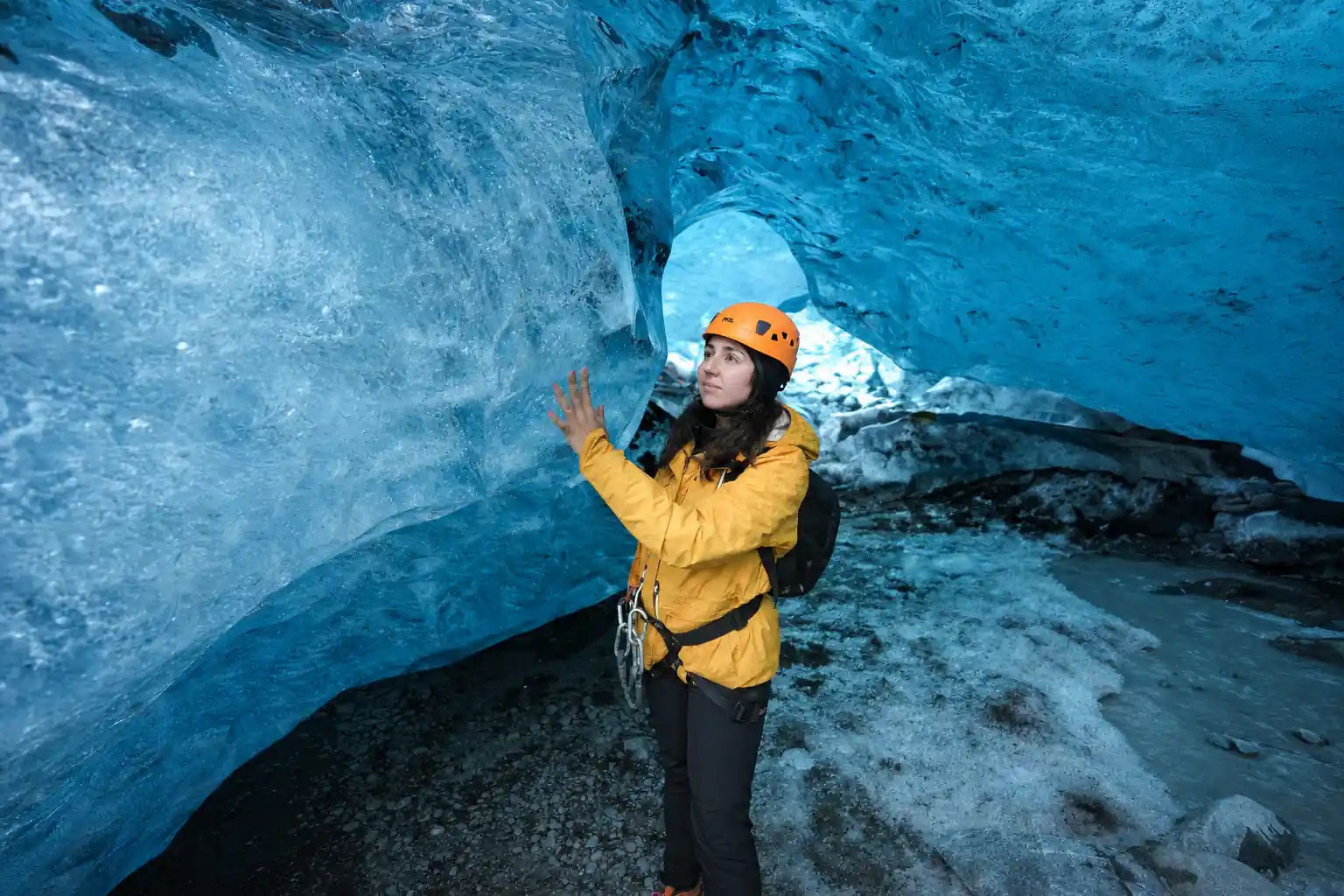
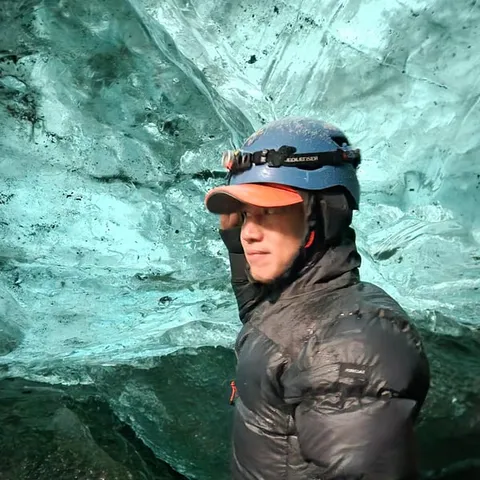
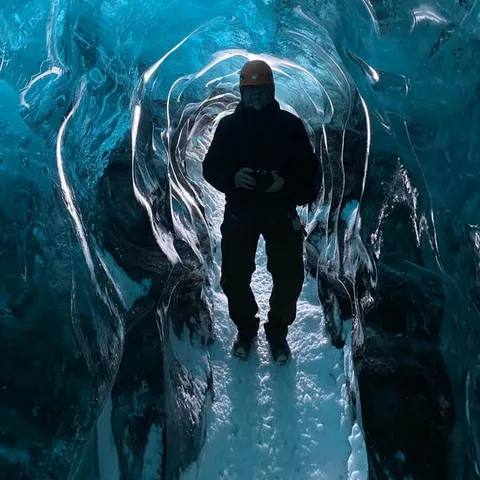
An ice cave in Vatnajökull typically lasts one winter. The summer meltwater channel that shaped it drains and firms up in October, stabilises through November, holds its coldest and bluest form from December to February, ages through March and April, and is taken back by meltwater in May.
Is the Jökulsárlón ice cave tour worth booking?
Know this first
- Pick a winter date, when natural caves exist under the glacier
- Reserve ahead and pay later to keep plans flexible
- Compare what each price covers before choosing
- Choose an early departure so the drive back is in daylight
On the tour day
- Dress for freezing temperatures, wind and wet ice
- Keep the helmet on inside the cave, where ceilings are low
- Expect a jeep or SUV transfer out of the lagoon
- Tell your guide early about any mobility limits
Why the ice under Vatnajökull turns blue
Vatnajökull spreads across southeast Iceland as a broad cap of ice, with outlet glaciers spilling down towards the coast and the ring road. Breiðamerkurjökull is the one that calves into Jökulsárlón lagoon, dropping icebergs into water that is 248 meters (814 feet) deep and has quadrupled in size since the 1970s.[7] The lagoon itself occupies a tidal inlet first excavated during the last glacial advance, about 26,500 years ago.[8]
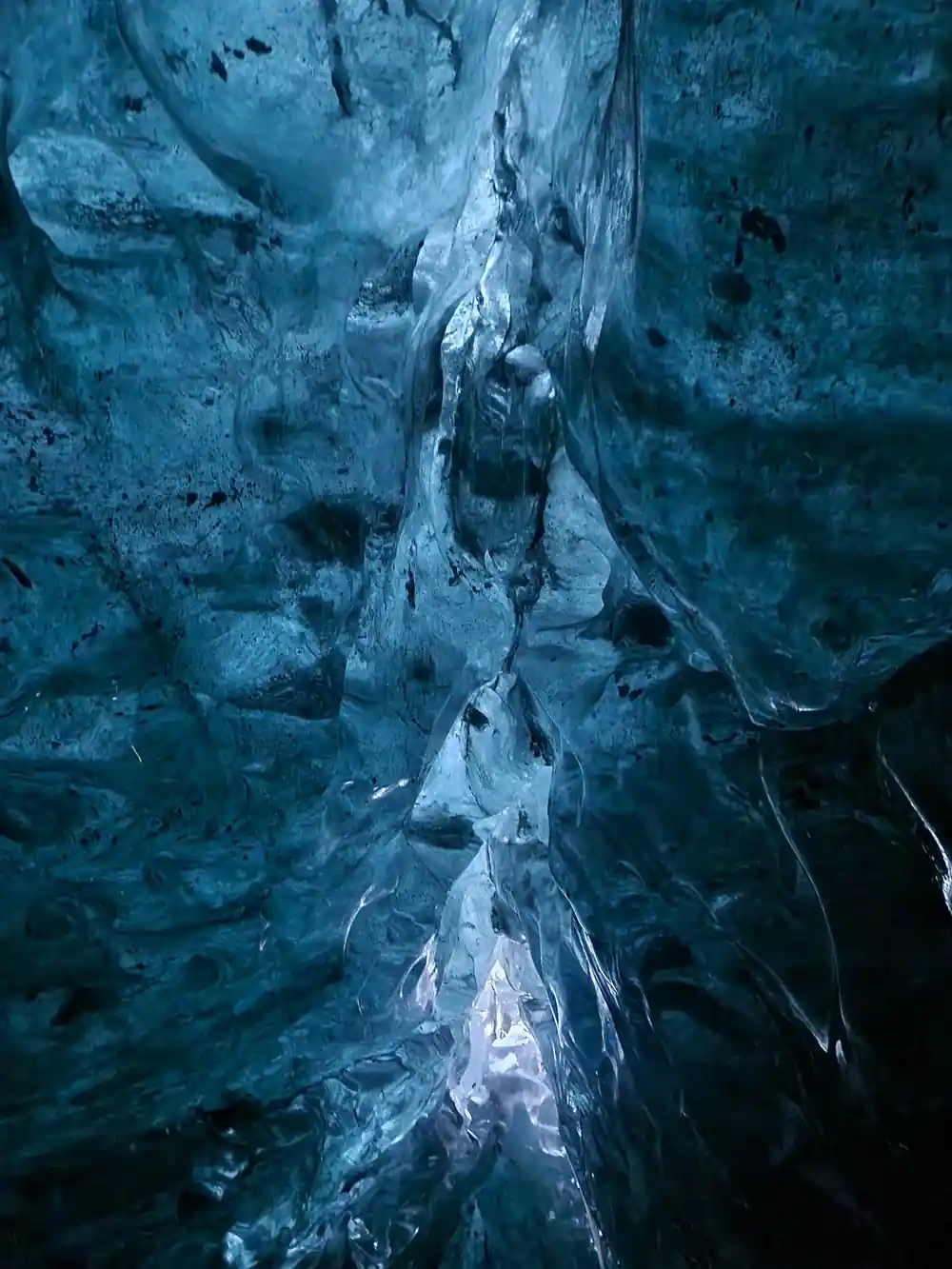
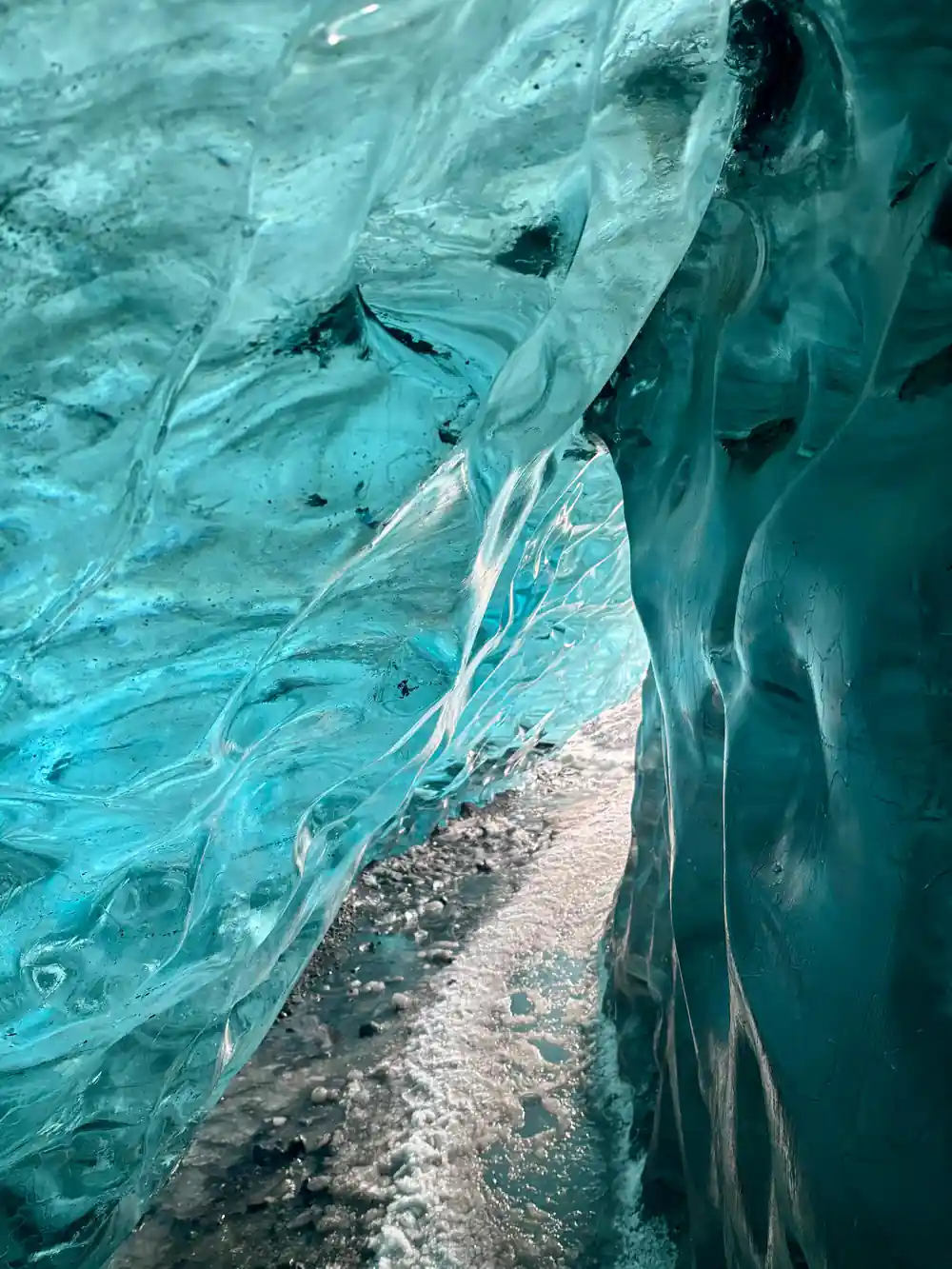
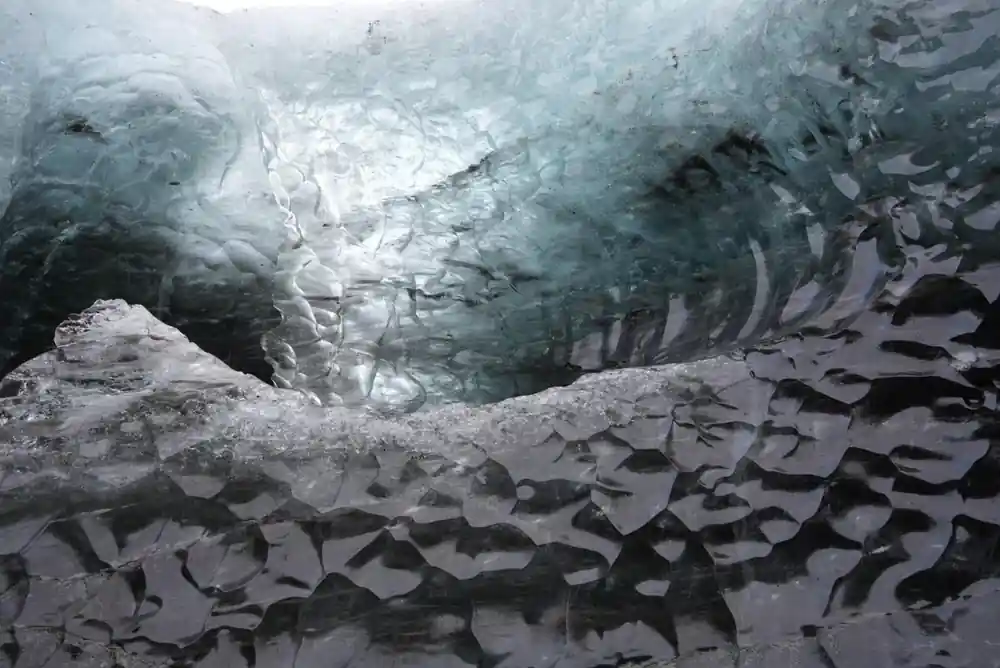
The ice overhead is thick. At its deepest point the cap measures 3,120 feet (950 m), and its average thickness is 1,250 feet (380 m).[9] Ice squeezed under that weight loses the air between its grains and forms large, dense crystals. When light hits those crystals, long wavelengths are absorbed and short-waved blue light is scattered, which is why the deep interior glows blue while fresh snow and newly formed ice stay white.[10]
Some of that ice is far older than the settlements around it. A few of the icebergs calving into Jökulsárlón are thought to be made of ice more than 1,000 years old.[7] Standing under a ceiling of it, with meltwater ticking somewhere behind the wall, is the reason people drive across Iceland in the middle of winter for one hour underground.
How the Jökulsárlón glacier ice cave tour runs
The tour booked from this site is the Jökulsárlón: Vatnajökull Ice Cave Guided Tour. It runs for 3 hours, begins at Jökulsárlón, continues by jeep or SUV into Vatnajökull National Park, and returns the same way.[1] A live guide speaks English throughout the trip.[1] Group size and vehicle depend on the day.
In practice a winter ice cave day is a short drive out across gravel and moraine, a walk on the ice in crampons, and time standing inside the cave itself. Departure times shift with daylight and conditions, so your exact start is confirmed when you book rather than on the listing page.[1] That is normal for glacier trips, where weather and road conditions set the plan.
Booking terms are simple. You can reserve now and pay later, and free cancellation runs up to 24 hours in advance for a full refund.[1] At from US$164 per person, the guided tour sits close to other departures from the lagoon, such as the Crystal Ice Cave Super Jeep Tour at from US$173.[1][5]
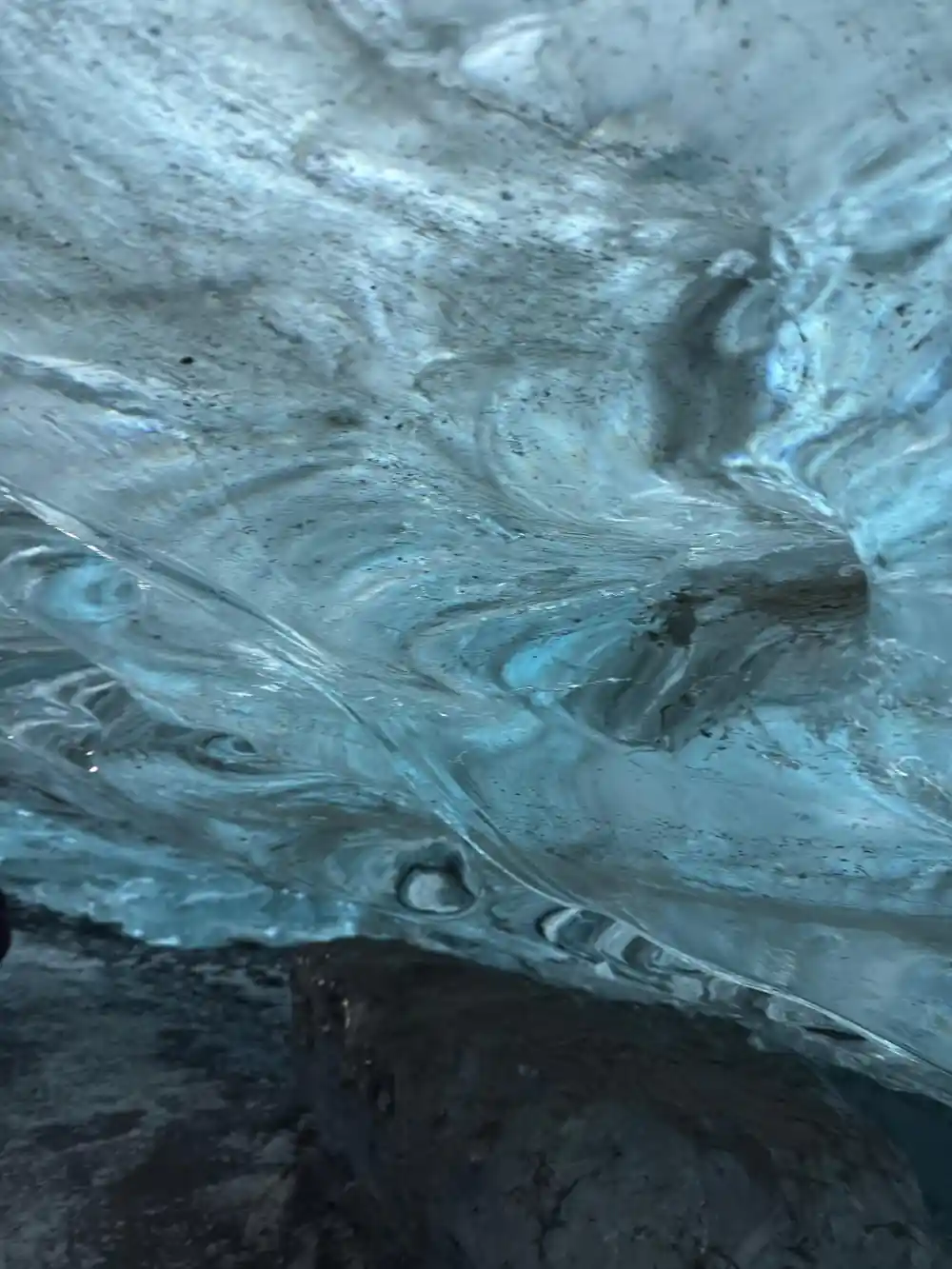
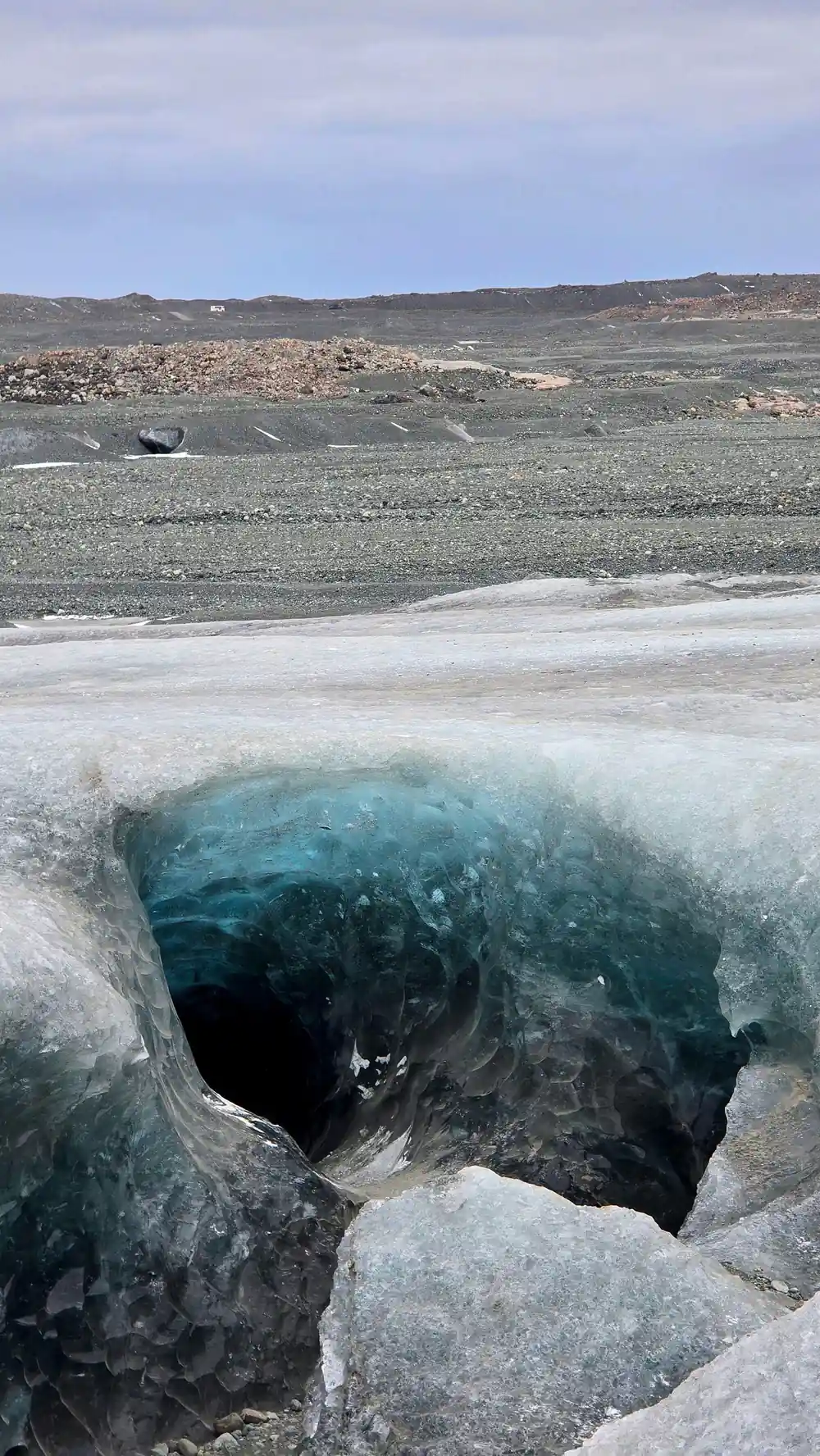
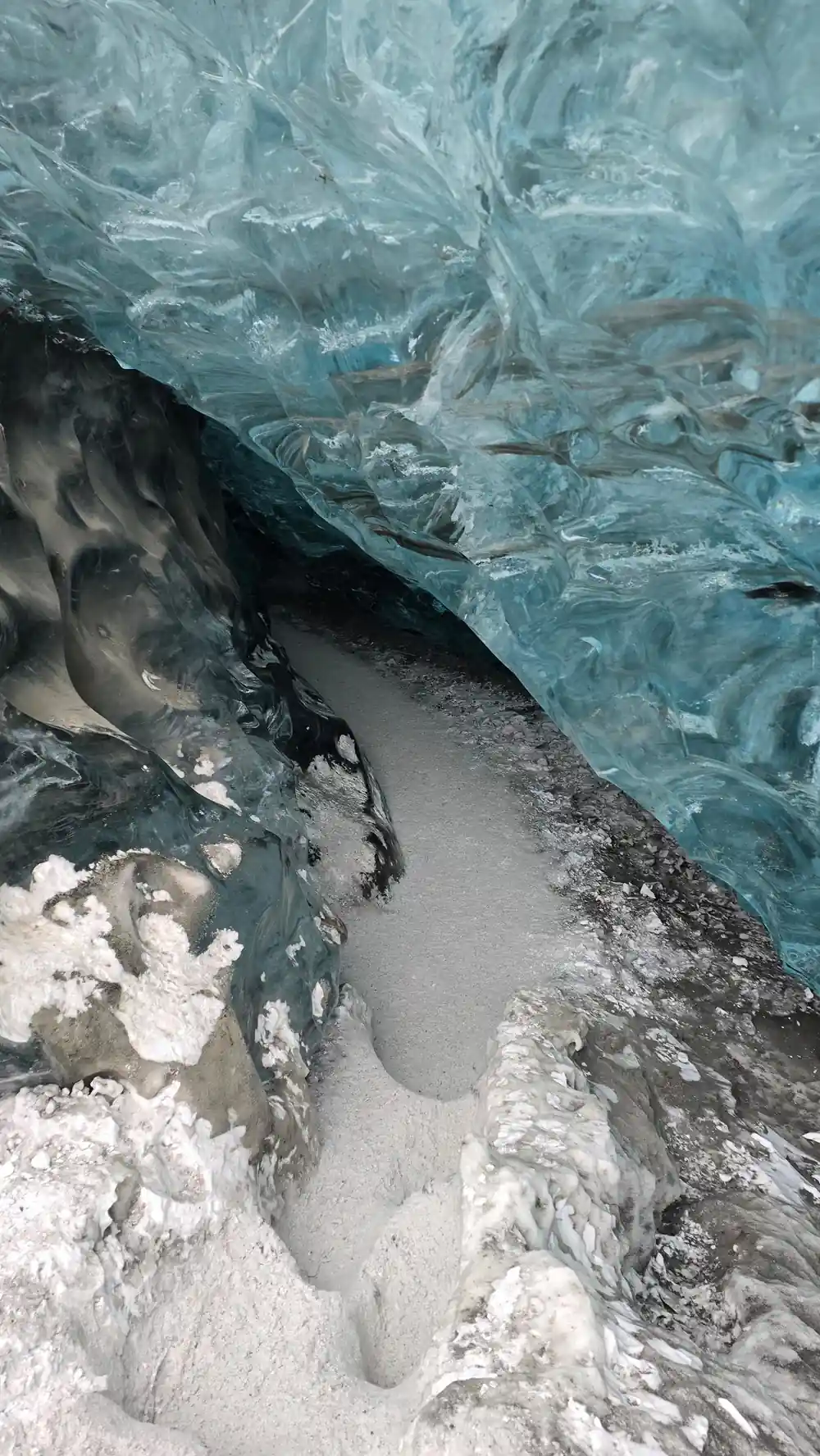
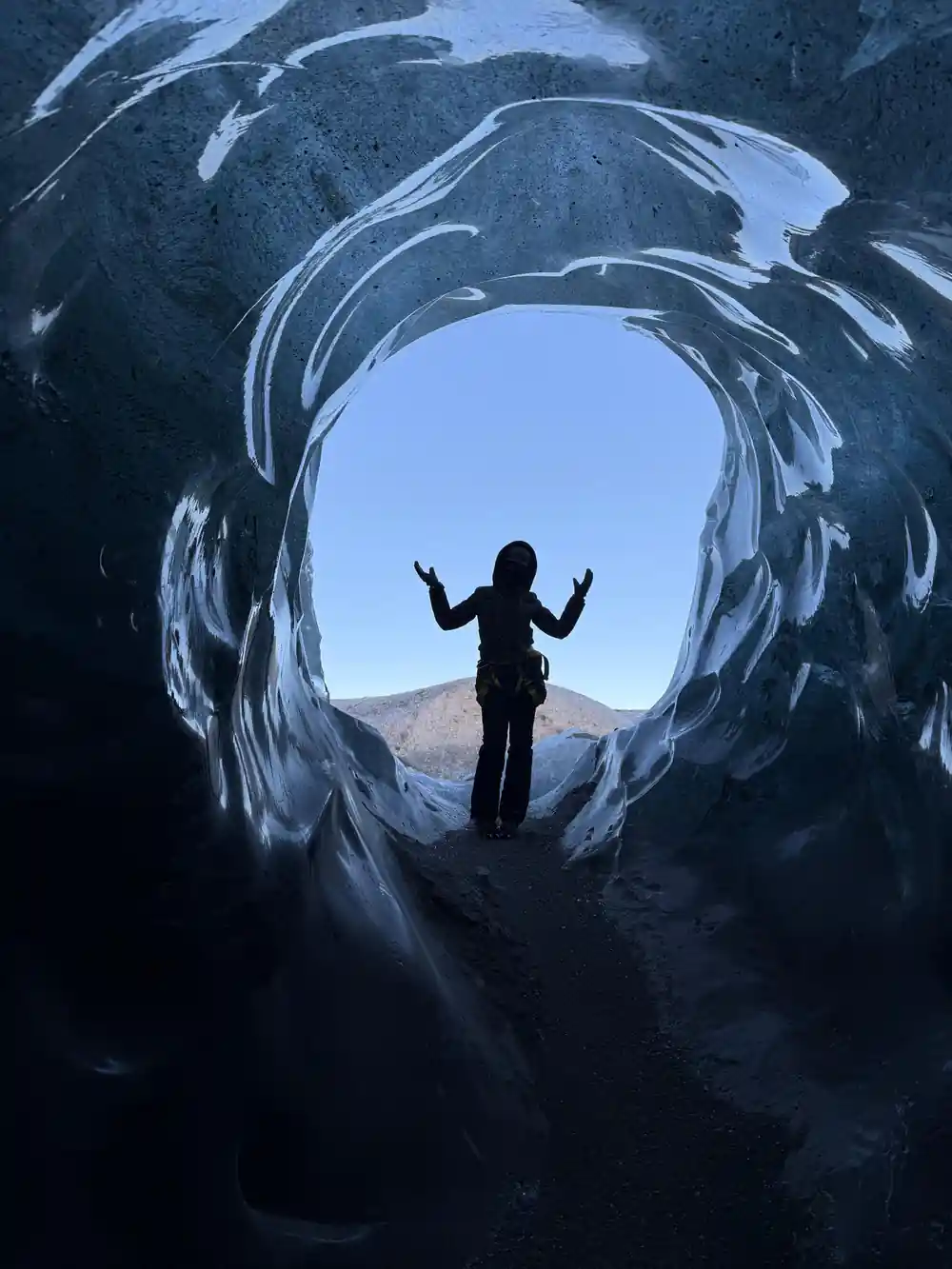
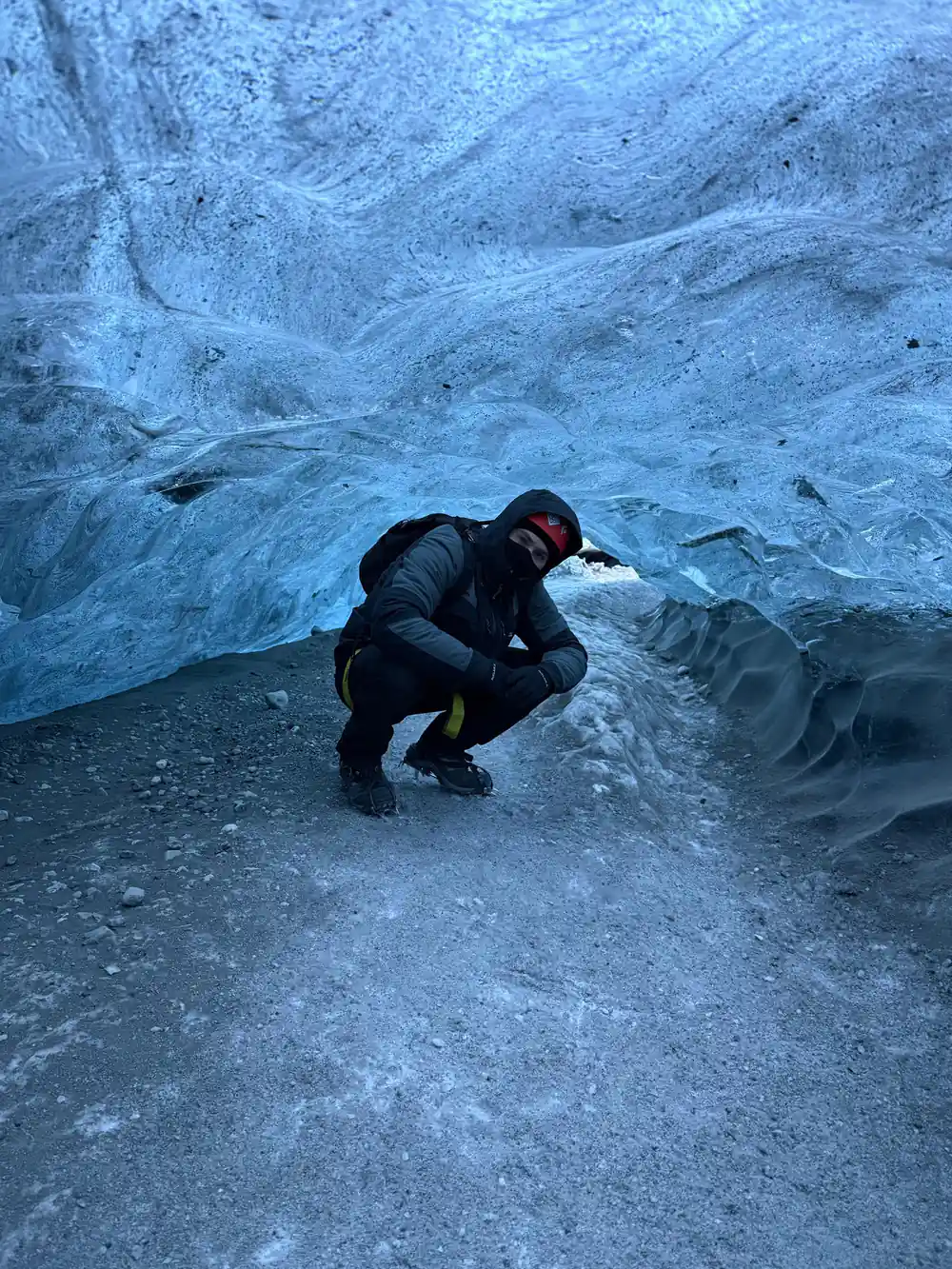
Dense blue ice overhead inside a winter cave beneath Vatnajökull.
What to wear on the ice
Iceland averages around 32°F (0°C) in winter, and daylight runs from 4 to 5 hours in late December to about 21 hours by late June, so what you pack and how much light you get both depend on your dates.[11] For a guided ice cave trip, bring thermal layers, a waterproof shell, gloves, a hat and boots with ankle support that can take a pair of crampons.
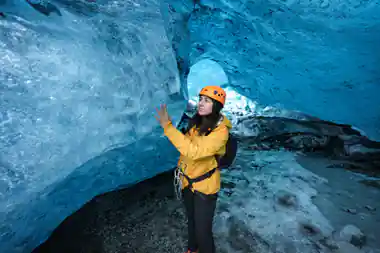
Helmets matter more than most people expect. A sturdy helmet protects against falling ice and low-hanging cave ceilings, and tour operators generally provide one.[12] Take a thin hat that fits underneath it, and pack spare gloves, because the ice is wet where you grip it and the cave walls drip on your shoulders.
Cameras cope with the cold, but batteries drain fast, so keep a spare in an inside pocket and a cloth handy for condensation. Tripods are awkward on a guided walk with other people, and a phone with a wide lens usually handles the low light inside the cave well enough for memories.
When the caves are there, and when they are gone
A natural ice cave in Vatnajökull lasts one winter. The summer meltwater channel that shaped it drains and firms up in October, stabilises through November, holds its coldest and bluest form from December to February, ages through March and April, and is taken back by meltwater in May.[2] Build your trip around that window and leave a little slack in your dates.
Winter brings the smallest crowds and the strangest light. Around 100,000 tourists visited Jökulsárlón in July alone during one of its busiest summers on record, and the car park and lagoon paths show it.[13] In the darker months you also have a chance of northern lights on the drive back, though nobody can promise them.
The glacier underneath is always moving. Breiðamerkurjökull, the outlet glacier that calves into the lagoon, has retreated at an annual rate of up to 200-300 m in recent years.[14] Caves are carved fresh each season in ice that is also melting, so no two winters offer the same cave, the same entrance or the same shape overhead.
from US$164
The guided ice cave tour booked from this site runs 3 hours from Jökulsárlón and starts at from US$164 per person.[1]
Getting to Jökulsárlón and what else to see
Jökulsárlón is about 370 km (230 miles) from Reykjavík along Route 1, and the drive takes roughly 5 hours each way in good conditions.[3] Many people split it with a night in Vík or Kirkjubæjarklaustur on the way, or join a tour that handles the driving so they can watch the coast slide past the window instead.
Across the road sits Diamond Beach, in Southeast Iceland, where black volcanic sand is scattered with clear glacial ice that breaks off from Breiðamerkurjökull, drifts through Jökulsárlón Glacier Lagoon and washes ashore.[15] It is a short walk from the lagoon car park, and the stranded ice looks best in low, slanted light.
Keep an eye on the water between icebergs too. Harbour seals are the most common seal species in the area, swimming and feeding in the lagoon.[16] The lagoon has also had a film career: it appears in A View to a Kill, Die Another Day and Lara Croft: Tomb Raider.[17]
Adding a glacier hike to the ice cave day
A glacier hike and ice cave at Jökulsárlón do not have to be the same booking. The guided hiking tour from the lagoon runs 4.5 hours, is rated 4.75 from 1,008 reviews, and starts from US$134.[4] It puts you on crampons on Breiðamerkurjökull, walking between crevasse fields rather than standing under a cave roof.
If you would rather cover both in one departure, longer trips exist. The Glacier Hike to a Remote Ice Cave runs 6 hours from US$285 for a small group limited to 8 participants, and the Blue Ice Cave Adventure and Glacier Hike runs 6 hours from US$299 for a group limited to 6.[18][19] These suit walkers who want distance as well as blue ice.
A Vatnajökull glacier hike ice cave combo can fit into one long day if you start early and keep the driving simple, but two nights in the area is calmer: one day for the cave and the lagoon, one for the ice. Book the cave first, then build the hike around its departure time.
Booking the ice cave tour: what to check
Departure times are not fixed. The listing says to check availability to see starting times, so your actual slot arrives with the booking rather than on the page.[1] Where you have a choice, take an earlier slot, so the drive back to your guesthouse still happens in daylight.
Everything about winter Iceland is weather dependent. Snow, wind and sudden thaws can close roads or change which cave is safe to enter on a given morning, and guides make that call on the day. A buffer night, flexible plans and travel insurance take most of the stress out of it.
Read what each price includes before comparing. Two trips that both say ice cave from Jökulsárlón can differ in duration, group size and how far you walk on the ice. The guided tour booked here scores 4.25 from 2,171 reviews, with guide at 4.6 and value for money at 3.8.[1] Short trips and long trips appeal to different people, so pick by how much time you want under the glacier.
Trip lengths for ice cave and glacier tours from Jökulsárlón
From-prices for ice cave and glacier trips from Jökulsárlón
From-prices in US dollars as listed for each tour:[1][5][6][18][20]. Child rates are not listed for these tours.
How the ice cave season moves through winter
Plan your ice cave day
Pick a winter date
Choose a date between October and April, when natural caves exist under the glacier, and reserve ahead for the slot you want.[1][2]
Plan the drive
From Reykjavík it is about 370 km (230 miles) along Route 1, and roughly 5 hours each way in good conditions.[3]
Meet at the lagoon
The guided tour meets at Jökulsárlón and transfers by jeep or SUV into Vatnajökull National Park and back.[1]
Take the helmet
Guides generally provide helmets, which protect against falling ice and low cave ceilings. Bring warm layers and waterproof boots.[12]
Walk into the blue
Inside, the ice glows blue where light scatters in dense crystals, and your guide sets the route for the conditions that day.[10]
Walk inside a Vatnajökull ice cave this winter
from US$164Reserve now & pay later