The quick version
- A guided walk starts from US$97 at Skaftafell and from US$132 at Jökulsárlón, with easy-level options for first-timers.[1][2]
- Natural ice caves in Vatnajökull form in October and last through April, and winter visits often pair a cave with a short walk on the glacier.[3]
- Paddle among the bergs on Jökulsárlón from US$159, or take the smaller national park lagoon tour limited to 6 people from US$167.[4][5]
- The Langjökull glacier snowmobile tour with an ice cave runs 10 hours from Reykjavík from US$399, with pickup included.[6]
- Jökulsárlón is about 370 km (230 miles) from Reykjavík, and the drive takes roughly 5 hours each way in good conditions.[7]
- Top choice Vatnajökull Ice Cave Tour from US$164 Rating4.25 from 2,171 reviews[8]Duration3 hours[8]GuideLive tour guide: English[8]PaymentReserve now & pay later[8] Check availability
- Crystal Ice Cave Super Jeep from US$173 Rating4.21 from 1,751 reviews[9]Duration2.5 hours[9]GuideLive tour guide: English[9]PaymentReserve now & pay later[9] See this tour
- The Original Ice Cave Tour from US$161 Rating4.61 from 1,129 reviews[10]Duration3 hours[10]GuideLive tour guide: English[10]PaymentReserve now & pay later[10] See this tour
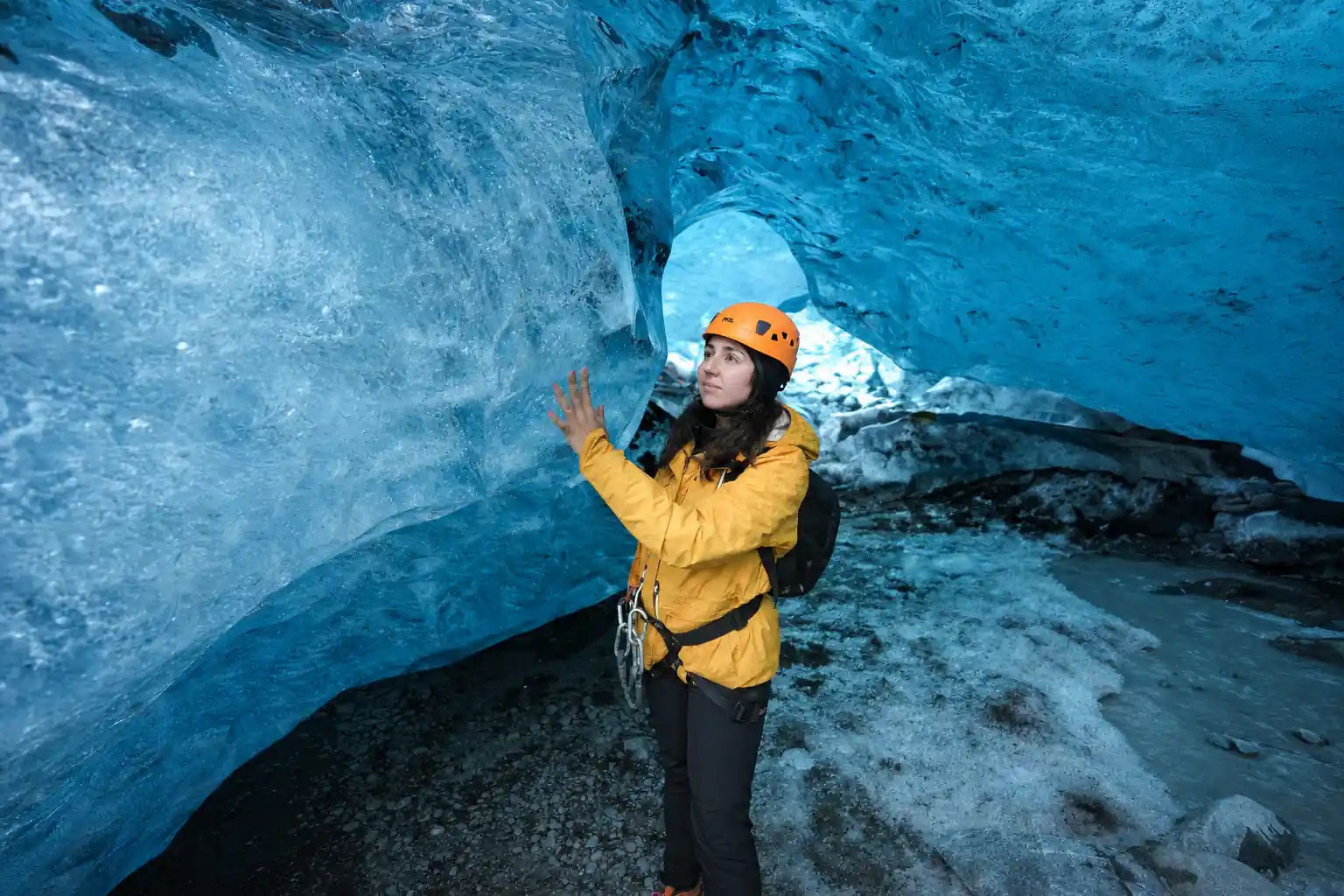
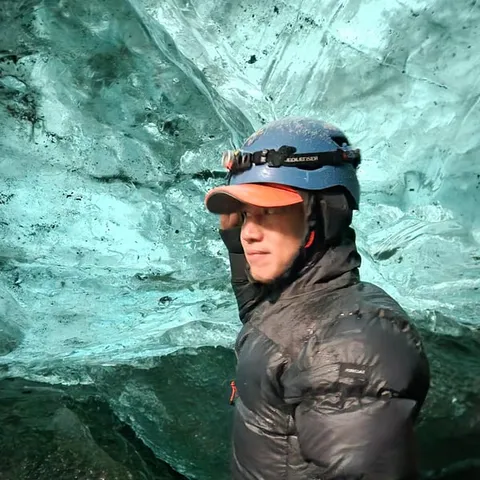
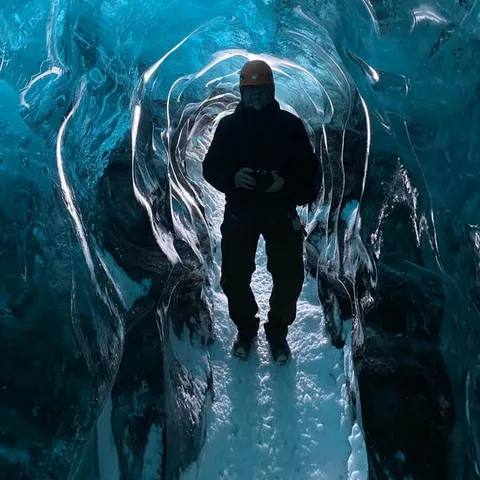
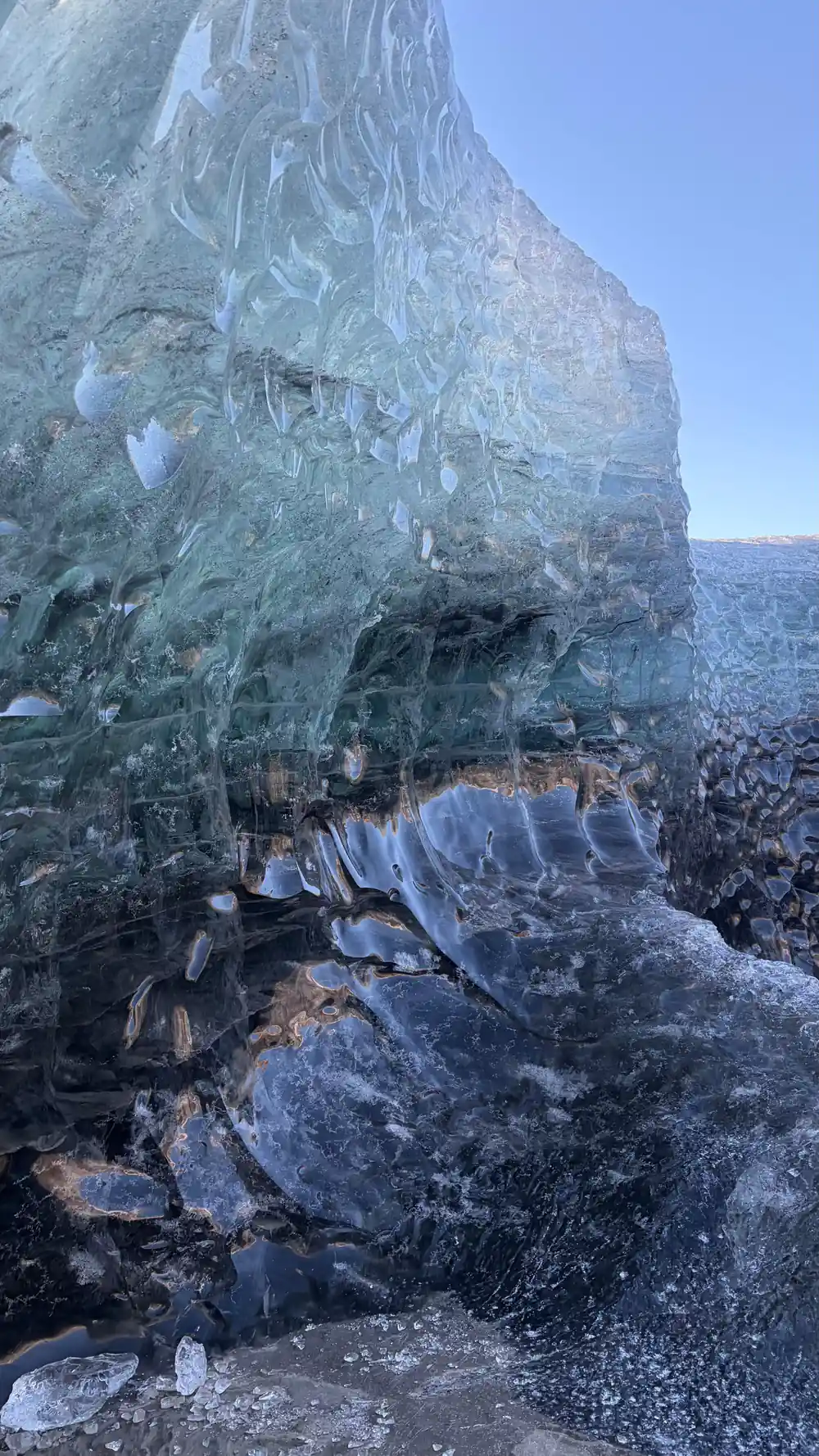
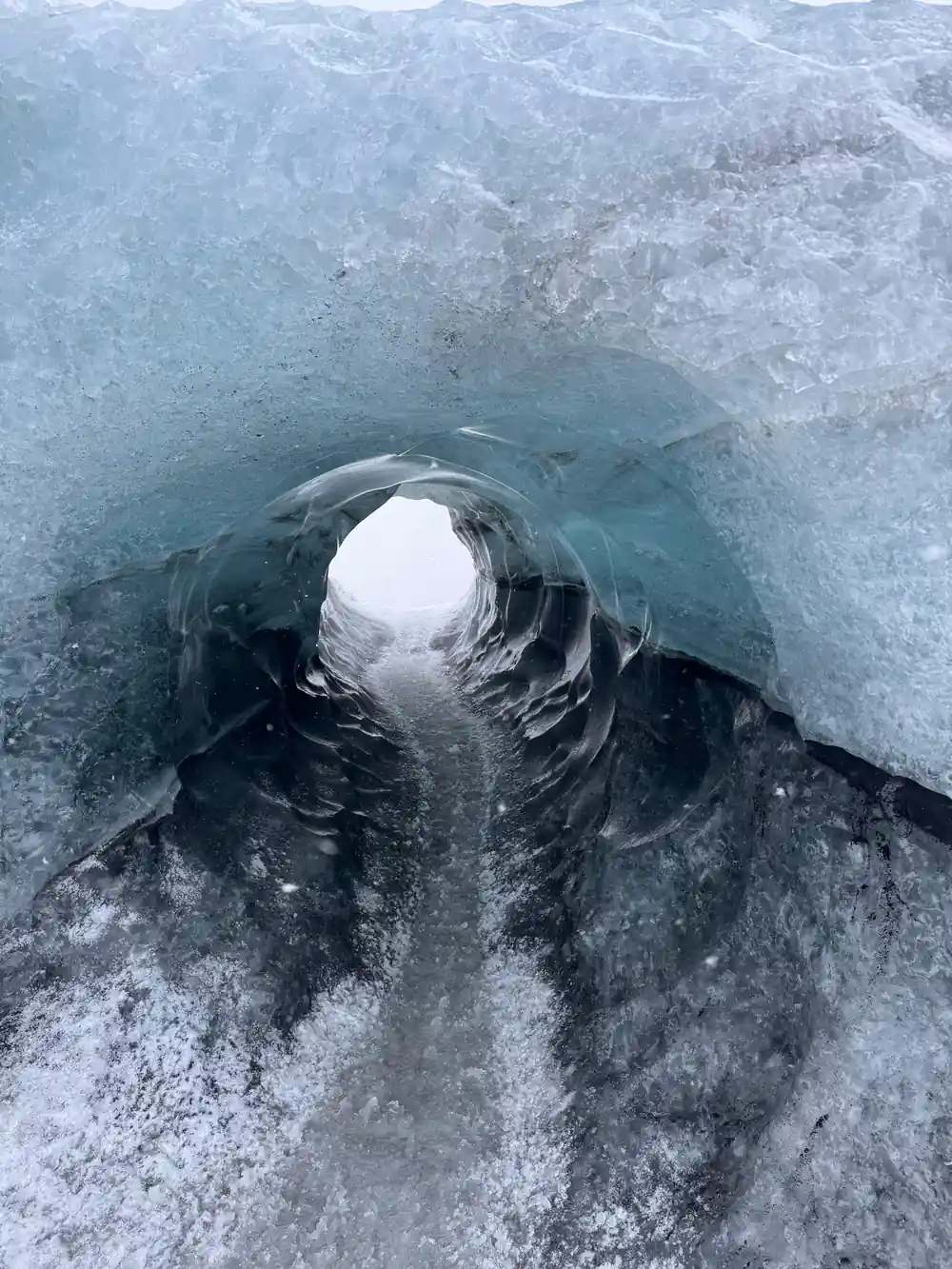
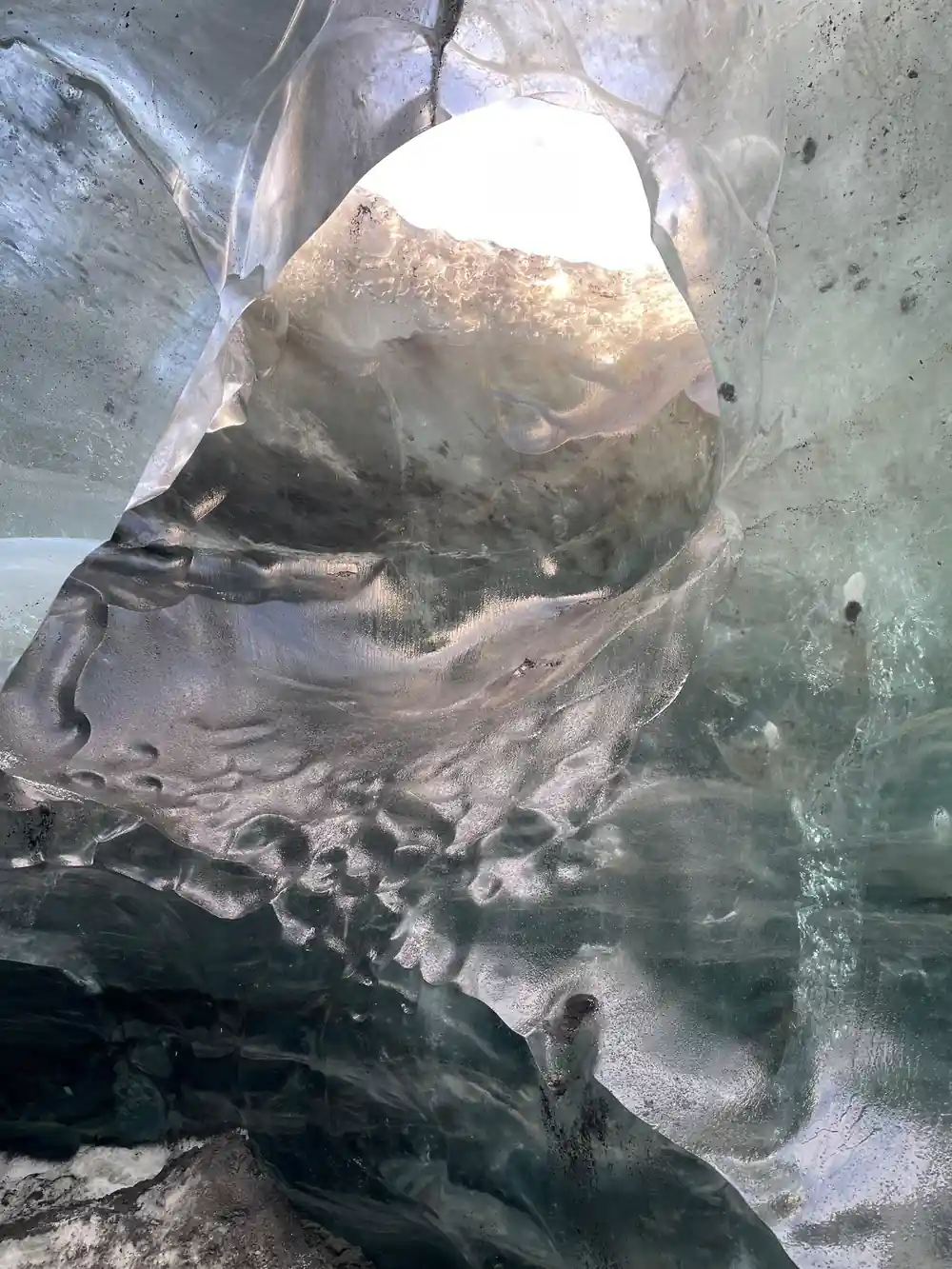
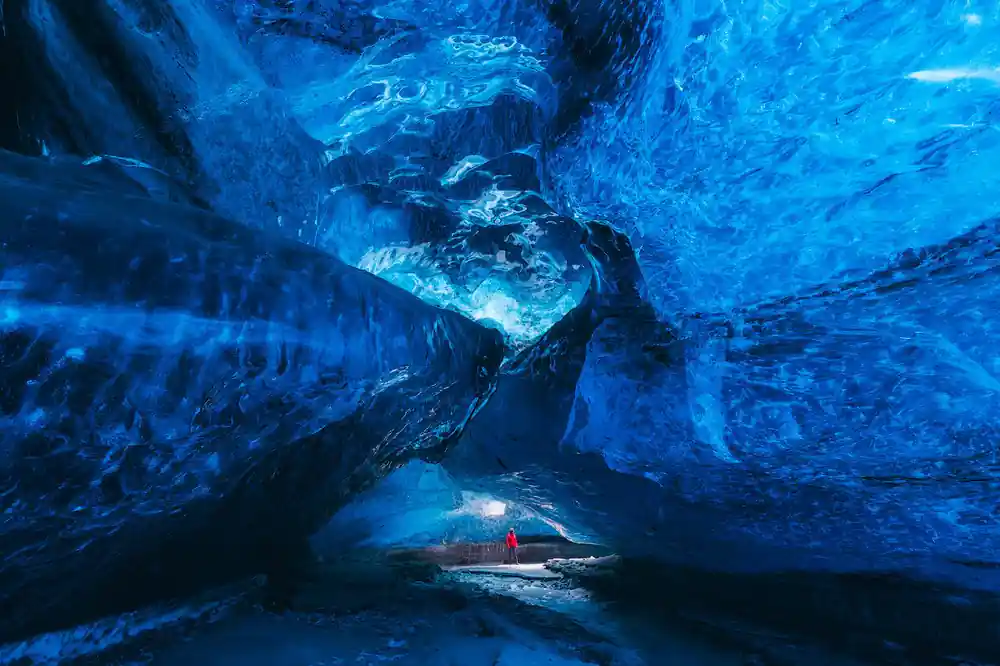
When light hits these crystals, they absorb long wavelengths of light. At the same time, they scatter short-waved blue light, which makes the ice appear blue.
Is a second Vatnajökull activity worth it?
Know this first
- Book the ice cave first, then add a second activity
- Keep one spare day in case wind or rain cancels
- Compare an easy-level walk with a longer glacier hike
- Small-group departures on the ice cap sell out first
On the day
- Waterproof shell, warm mid-layer, hat and gloves
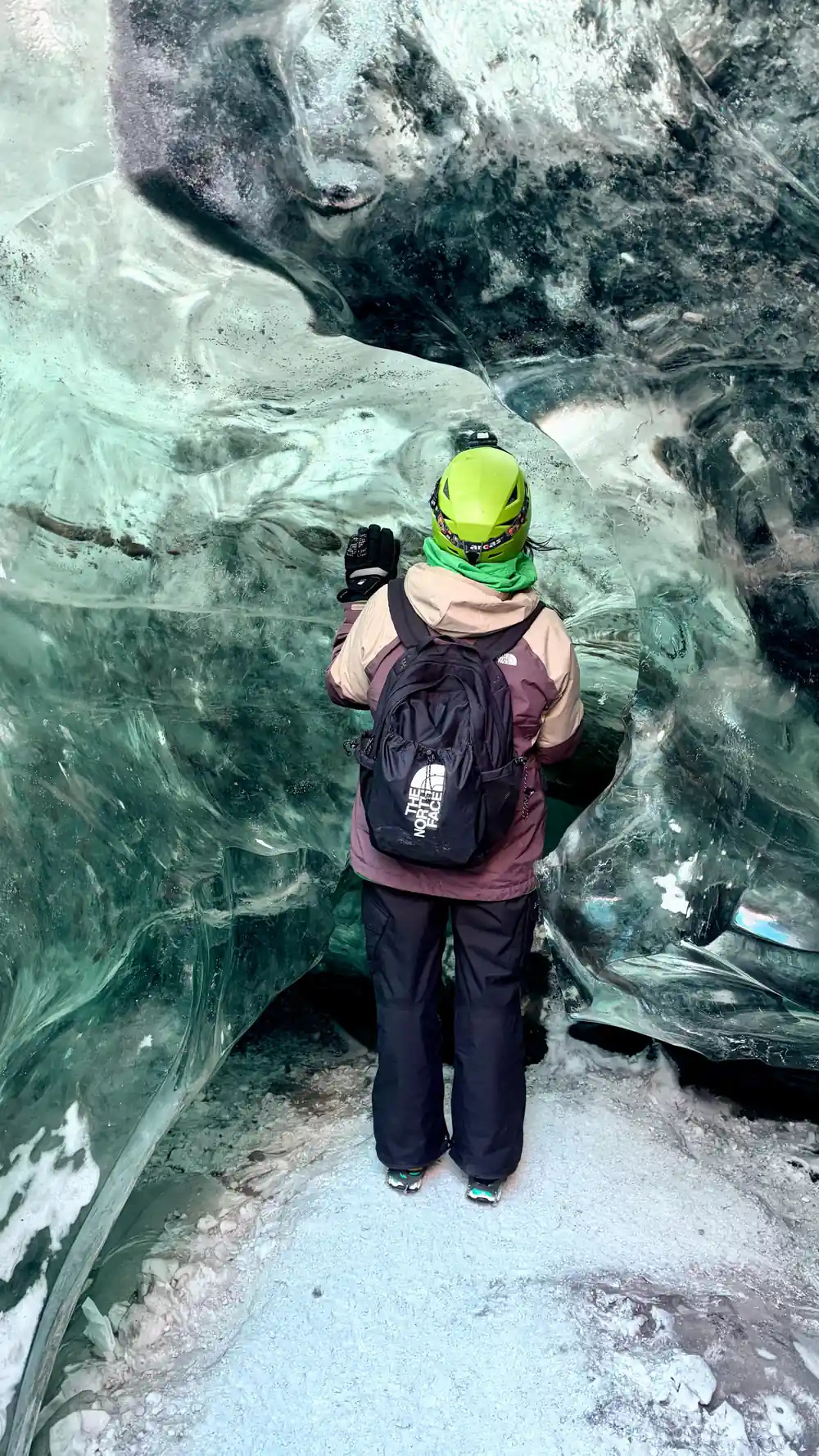
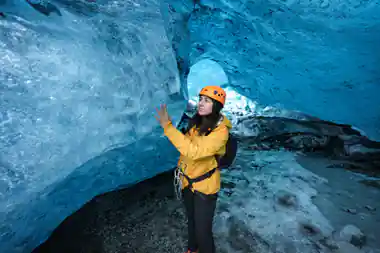
- Boots with grip; safety kit such as a helmet comes from the guide
- Fill the tank and buy food before the last village
- Sunglasses and lip balm for glare off snow and ice
Ice caves versus glacier hiking
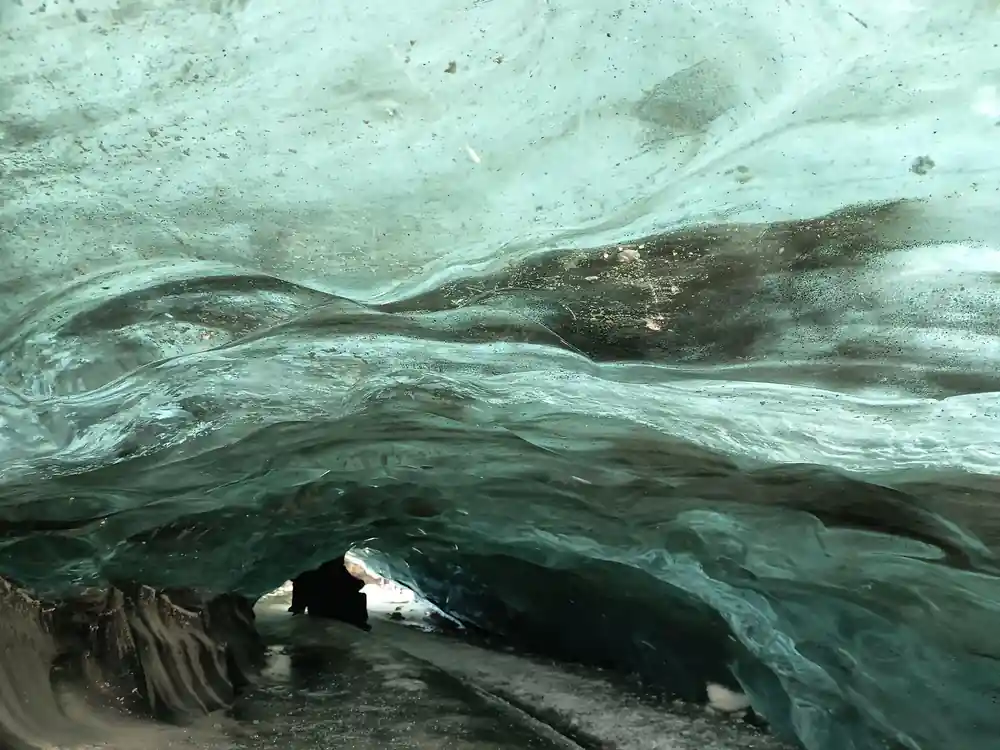
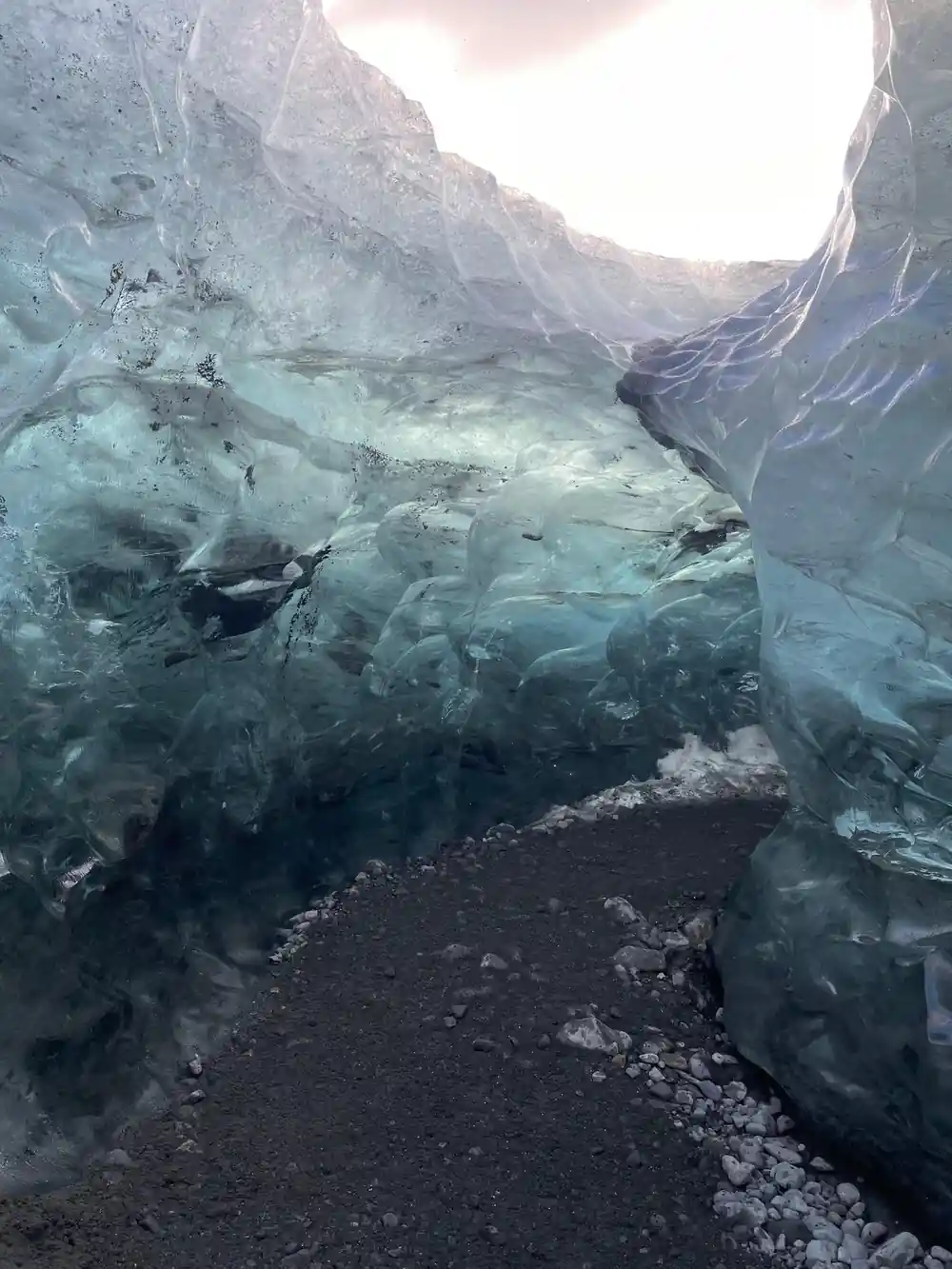
An ice cave tour and a glacier hike look similar on a booking page and feel completely different on the day. The cave is a short, strange walk under a roof of blue ice, with a guide checking the ceiling and the light. Natural caves in Vatnajökull form in October and stay through April before returning meltwater takes them back in May, and the cave season is a winter one.[3] Above ground, the same glacier is ridges, gravel-topped moraine and crevasse fields, crossed on foot with crampons. The ice below is thick: the Vatnajökull ice cap reaches 3,120 feet (950 m) at its thickest point and averages 1,250 feet (380 m).[11]
Hikes come in grades. From Jökulsárlón an easy-level guided walk on Vatnajökull takes 3 hours from US$132, and the Vatnajökull glacier guided hiking tour takes 4.5 hours from US$134.[2][12] On the Skaftafell side a blue ice glacier hike runs 4 hours from US$106, and a small-group blue ice cave and glacier hike of the same length runs from US$167.[13][14] A sturdy helmet is basic equipment inside a cave and is generally provided by the operator, while a walk above ground needs boots you can trust on ice.[15]
Snowmobiling on the ice cap nearby
Snowmobiles cover ground fast, and the usual target from Reykjavík is Langjökull, a broad snow dome reached by a long drive into the highlands. The Reykjavík: Langjökull Glacier Snowmobile Tour with Ice Cave runs 10 hours from US$399, includes pickup, and is rated 4.56 from 153 reviews.[6] You ride in convoy behind a guide over wind-packed snow that hides every crevasse, and a stop at the ice cave breaks up the driving. It is a full day out, and most of it happens in a vehicle.
This is the option for travellers based in Reykjavík who want the feel of an ice cap without committing to a glacier walk, and it suits mixed groups where not everyone wants to be on foot all day. Wear the warmest layers you own; on an ice cap the wind decides how cold you feel. Pickup means an early start and a late return. Keep the evening free.
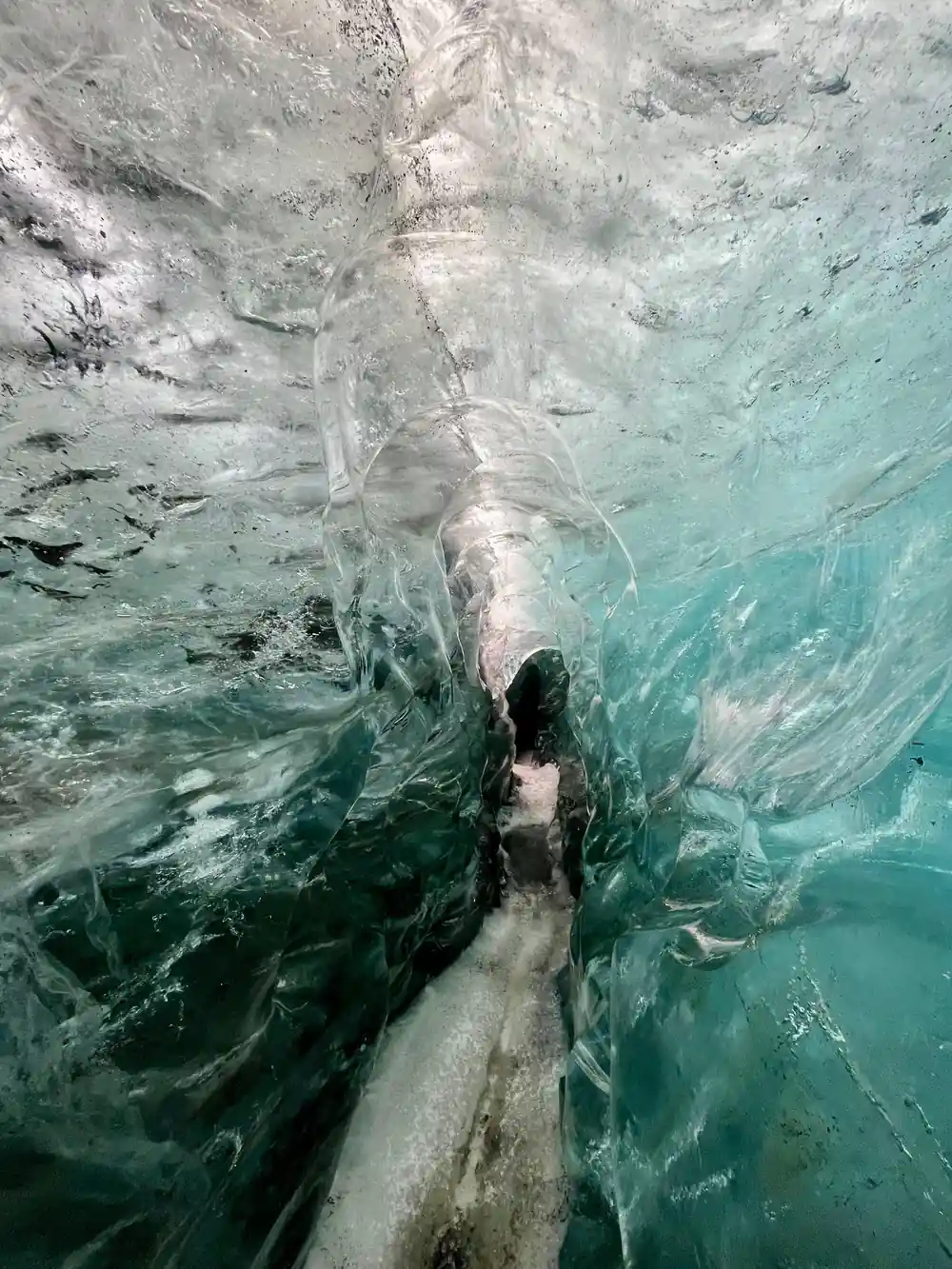
Icebergs drifting towards the Atlantic from Jökulsárlón glacial lagoon
Glacier lagoon kayaking
Kayaking puts you at water level, threading between bergs that calved off Breiðamerkurjökull days or hours earlier. A Jökulsárlón Glacier Lagoon kayaking tour runs for 1.5 hours from US$159 and is rated 4.66 from 325 reviews.[4] A Vatnajökull National Park glacier lagoon kayaking tour also runs 1.5 hours, from US$167, in a group limited to 6 participants.[5] You paddle in a guided group on cold, calm water, with the current doing part of the work.
A longer paddle, the Vatnajökull National Park glacier kayaking tour, takes 3 hours from US$184.[16] The lagoon is 248 meters (814 feet) deep and has quadrupled in size since the 1970s.[17] That is a lot of water under a thin hull. Harbour seals are the most common seal species in the area and often surface near kayaks, and some of the ice drifting past is thought to be more than 1,000 years old.[17][18]
Jökulsárlón versus Fjallsárlón
Jökulsárlón earns its fame. The lagoon is 248 meters (814 feet) deep and has quadrupled in size since the 1970s, and the outlet glacier that feeds it, Breiðamerkurjökull, has retreated at up to 200-300 m a year in recent years.[17][19] Its tidal inlet was excavated during the last glacial advance, about 26,500 years ago.[20] Icebergs break off the glacier, turn slowly with wind and tide, and drift out through the narrow channel towards the sea.
Fjallsárlón is the quieter neighbour a short drive along the Ring Road, a smaller bowl of grey-blue water with ice pressed against its shore and a short path down to the edge. Rangers logged around 100,000 visitors at Jökulsárlón in July alone during one of its busiest summers.[21] Diamond Beach, where clear glacial ice washes ashore on black volcanic sand in Southeast Iceland, is a further short drive east.[22]
from US$164
The Jökulsárlón ice cave tour transfers by jeep from the lagoon to Vatnajökull National Park and lasts 3 hours.[8]
Skaftafell and its trails
Skaftafell, on the southern edge of Vatnajökull National Park, is the other main base and the cheaper one for glacier walks. A Skaftafell glacier hike runs 3 hours from US$97, and a small-group blue ice glacier hike runs 3.5 - 4.5 hours from US$105 with a group limited to 12 participants.[1][23] A half-day Vatnajökull National Park glacier hike takes 4 hours from US$157 in a group limited to 8, and a short glacier encounter walk with a 4x4 transfer takes 2.5 hours from US$121.[24][25]
There is plenty to do here on foot without a guide: birch woods, a sandy path up towards a waterfall, and viewpoints over the outwash plain where meltwater braids towards the coast. The visitor centre and the campsite sit close to the trailheads, and a morning walk plus an afternoon tour fit easily into one day. Ground is loose and wet in places and the weather turns quickly; carry a shell even when the sky looks settled. For a bigger day, a small-group two-glacier hike on Vatnajökull runs 5.5 hours from US$217.[26]
Flightseeing over the ice cap
From the air the ice cap reads as one white sheet with black volcanoes pushing through it, and the outlet glaciers spill down towards the coastal plain in long tongues. Flights trace the crevasse fields above Breiðamerkurjökull, the meltwater channels threading across the sandur, and the line where the lagoon meets the sea. It is the quickest way to see how much ice sits above the road you drove in on, and how thin the strip of green along the coast really is.
Small planes and helicopters fly from airstrips near the glacier when the weather allows. Windy or low-cloud days cancel often; treat a flight as a flexible extra rather than the fixed point of your trip. Take a window seat, keep a camera with a fast shutter, and choose a morning slot if you can. A flight pairs well with a lagoon stop on the same day.
Hot springs and warm stops
Cold days end better in warm water. Iceland's average winter temperature is around 32°F (0°C), and daylight runs from 4 to 5 hours in late December to about 21 hours by late June.[27] Winter trips are short and bright. Plan a soak or a swim for the end of the afternoon, once the driving is done and the light has gone.
Geothermal pools, village swimming pools and hot tubs at guesthouses are the usual fix along the south coast, and a towel and swimsuit in your day bag take up almost no space. If you are driving back to Reykjavík the same evening, remember that Jökulsárlón is about 370 km (230 miles) away and the drive takes roughly 5 hours each way in good conditions.[7] A warm stop is worth building into the plan rather than tacking on at the end.
How long popular Vatnajökull activities take
From prices for Jökulsárlón area tours
From prices for these GetYourGuide listings:[4][8][9][10][28]
When to plan each activity
Planning your glacier day
Choose one headline
Pick the ice cave, a glacier walk or a paddle, then build the rest of the day around it.
Base yourself close
Jökulsárlón is about 370 km (230 miles) from Reykjavík and roughly 5 hours each way in good conditions.[7]
Book the time slot
Departures vary by day: check availability for starting times before you fix your drive.[8]
Pack for standing still
Layers, gloves and a waterproof shell matter more than a heavy coat, and safety kit such as a helmet is generally provided.[15]
Watch the light
In late December daylight runs only 4 to 5 hours; plan short winter days around one activity.[27]
See dates for the Vatnajökull ice cave tour
from US$164Reserve now & pay later